Monday, 22nd of January 2024
In the footsteps of the ancestors und the “Memminger Mau”
- Heidi and Olli (Matthäus’ aunt and uncle) gave us a tour in the footsteps of Matthäus’ ancestors as a wedding present, including stories and visits to farms and places where they lived.
- And as they both run a restaurant, we didn’t think it would be easy to find a date for this together – so we were all the more surprised when we called Olli just under a week ago and it turned out that they had time for it today.
- We arrive at their place straight from the ski tour and start with a (very fancy) breakfast together – there even is salmon.
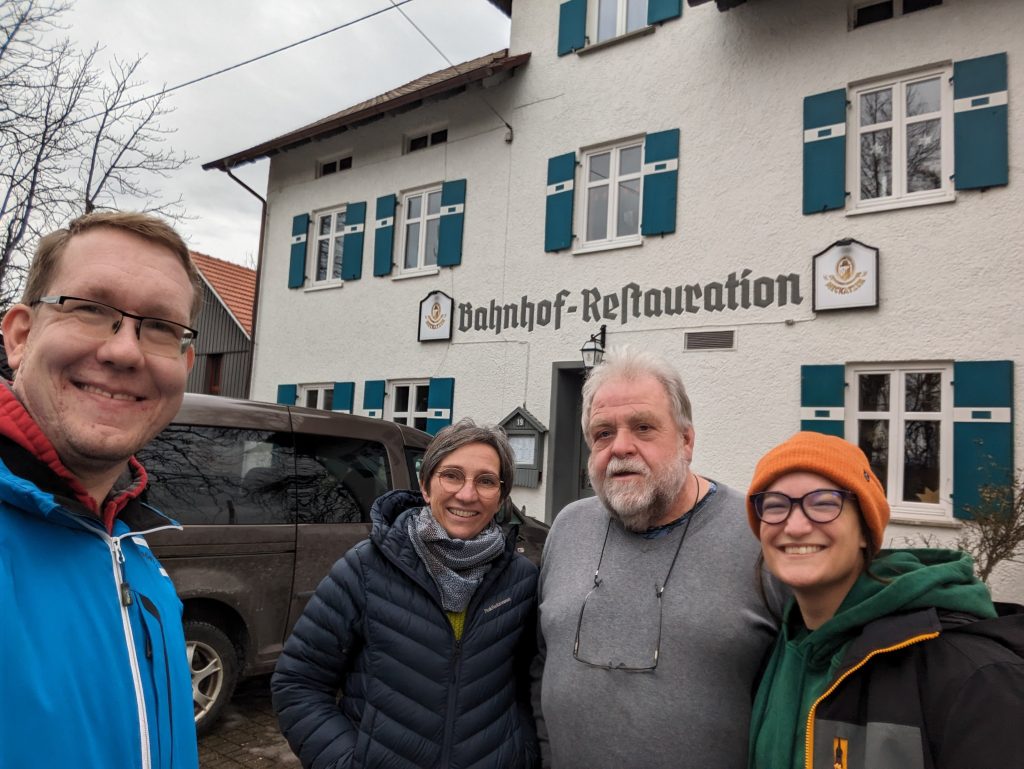
- After this, Olli pulls out a bunch of photo albums and documents and gives us an introduction to the Geiger/ Einsiedler families.
- I try to reproduce this as best I can here, but make no guarantee of completeness and correctness.
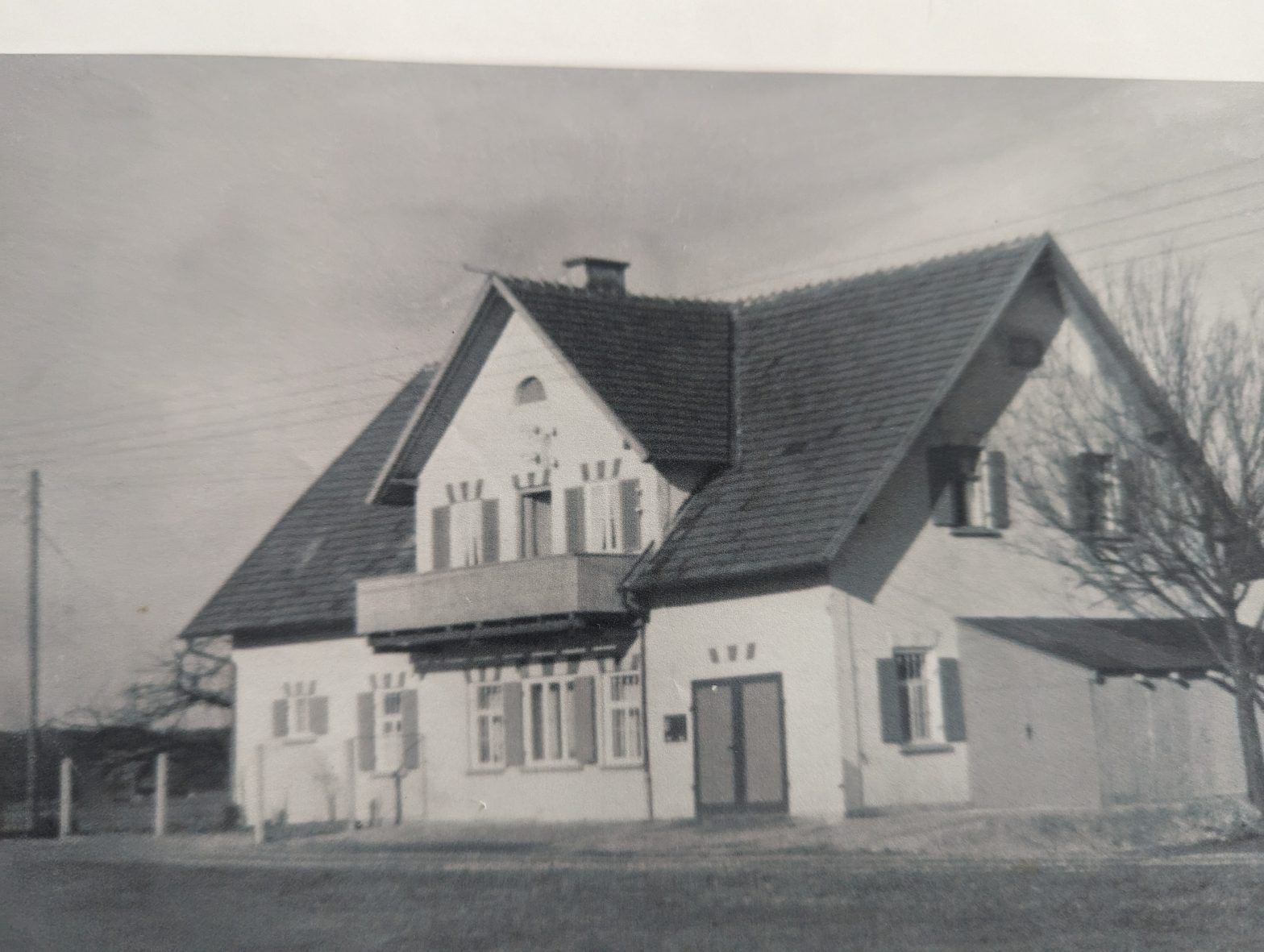
- Matthäus’ paternal grandparents, Matthäus Geiger and Elisabeth (née Einsiedler) Geiger, set up the railway station restaurant (which Heidi and Olli run today).
- Elisabeth Einsiedler was born on 29 September 1927 (and died in 2010) as the eldest daughter of Friedrich Einsiedler and Maria (née Wassermann).
- She grew up in Woringen on a farm (with the farm name “Bergmann”, but more on that in a moment) not far from Matthäus Geiger with her two siblings Lydia and Georg, right next to today’s motorway (A7).
- All the farms in the area had house names, a kind of nickname, which were assigned to the farms and which often came from the occupation people had (e.g. “Schulhauser” or “Lottawagner”), but whose origin is sometimes no longer easy to trace.
- Elisabeth’s father, Friedrich, grew up in a mill very close to where we drive past by car.
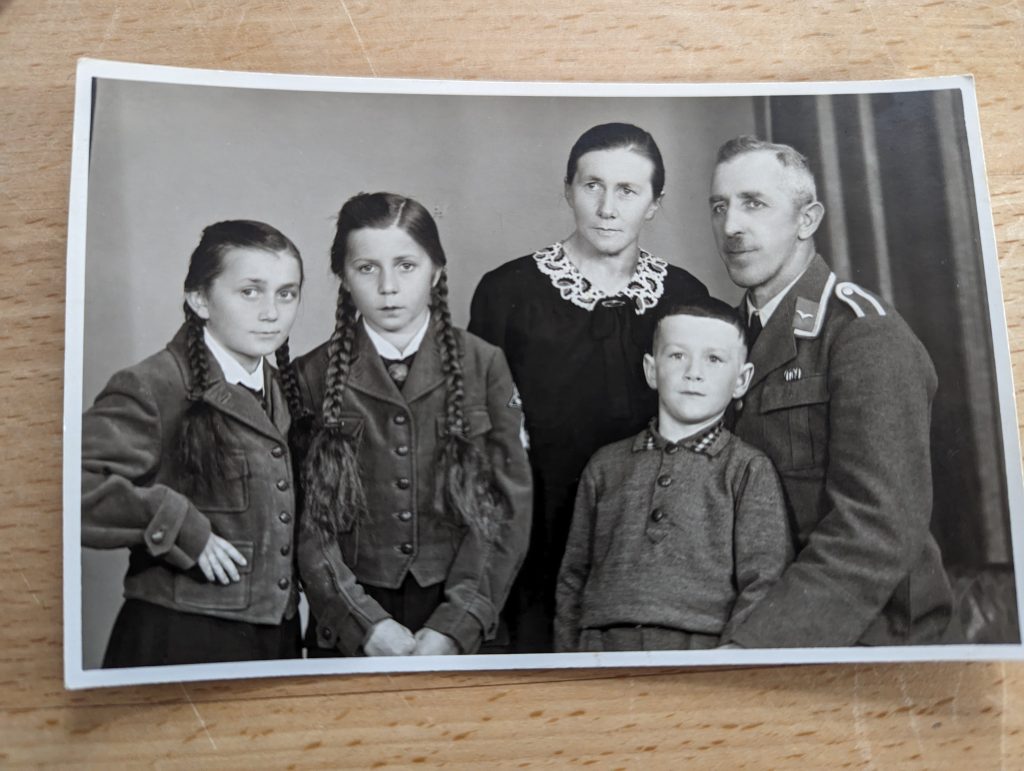
- Elisabeth’s mother died very young (in 1945 at the tender age of 40).
- The landlady of the nearby Adler inn then undertook matchmaking measures to bring Friedrich Einsiedler together with another Maria, who was widowed.
- And so it came about that one day Matthäus Geiger, who already knew the Einsiedlers and was already regarded as a son-in-law-in-spec at the time, took his soon to be father-in-law on a “date” (as romantic as that was back then), as he didn’t have a driving licence himself.
- Matthäus then wanted to make himself comfortable in the pub with a beer and asked Friedrich to come and get him when he had finished his “date”. Friedrich, however, insisted on bringing Matthäus along to his “date” as his wingman.
- The meeting was short, but it was apparently decided that there were sufficient reasons to marry each other and so Maria became Elisabeth’s stepmother.
- Apparently, her father had a childhood sweetheart, whom he had met before Maria Wassermann and with whom he had also had a child, a daughter – Elisabeth’s half-sister, with whom she also had contact. Of course, Friedrich was not allowed to marry his sweetheart, but was forced to marry Maria instead.
- Matthäus Geiger was born on 7 June 1920 not far from the farm where Elisabeth grew up and died in 2015.
- His parents, Michael and Anna (née Rabus) Geiger, owned a farm called “Schalk”, where Matthäus grew up with his older brother Elias and his younger sister Maria Martha.
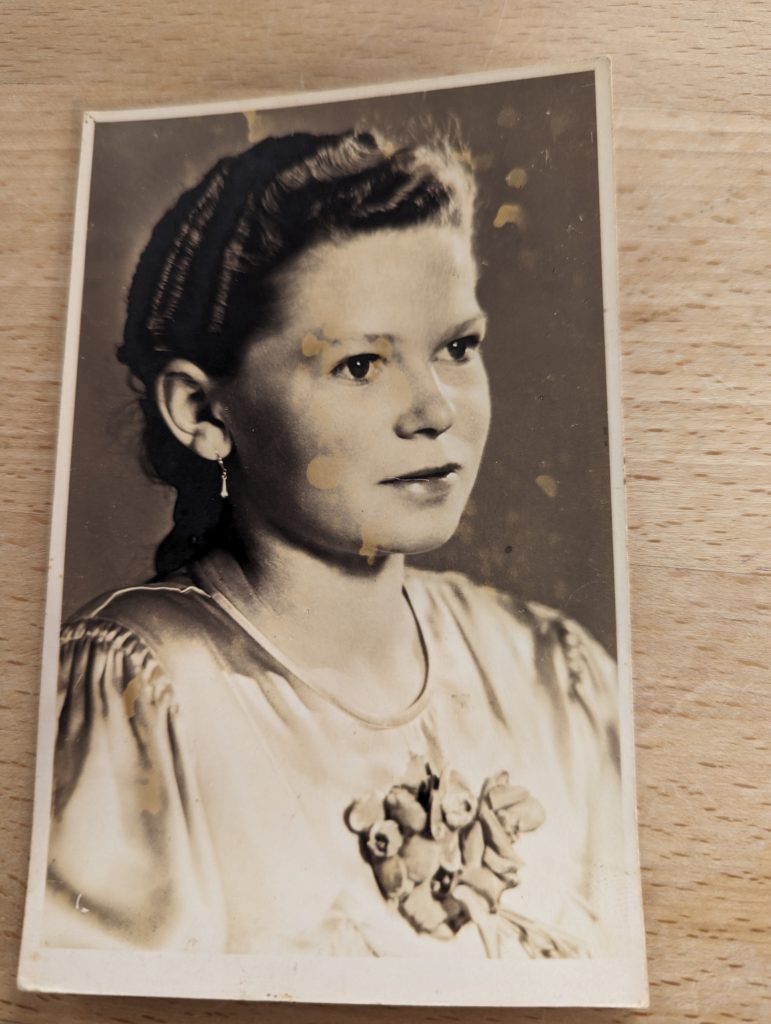
- His sister died very young, she was just 20 years old and probably died of a liver disease.
- Matthäus’ mother, Anna, originally came from Volkratshofen, which was quite a distance from Woringen (approx. 15 kilometres) and that was almost an insurmountable distance by the standards of the time (in which people travelled by sleigh or carriage).
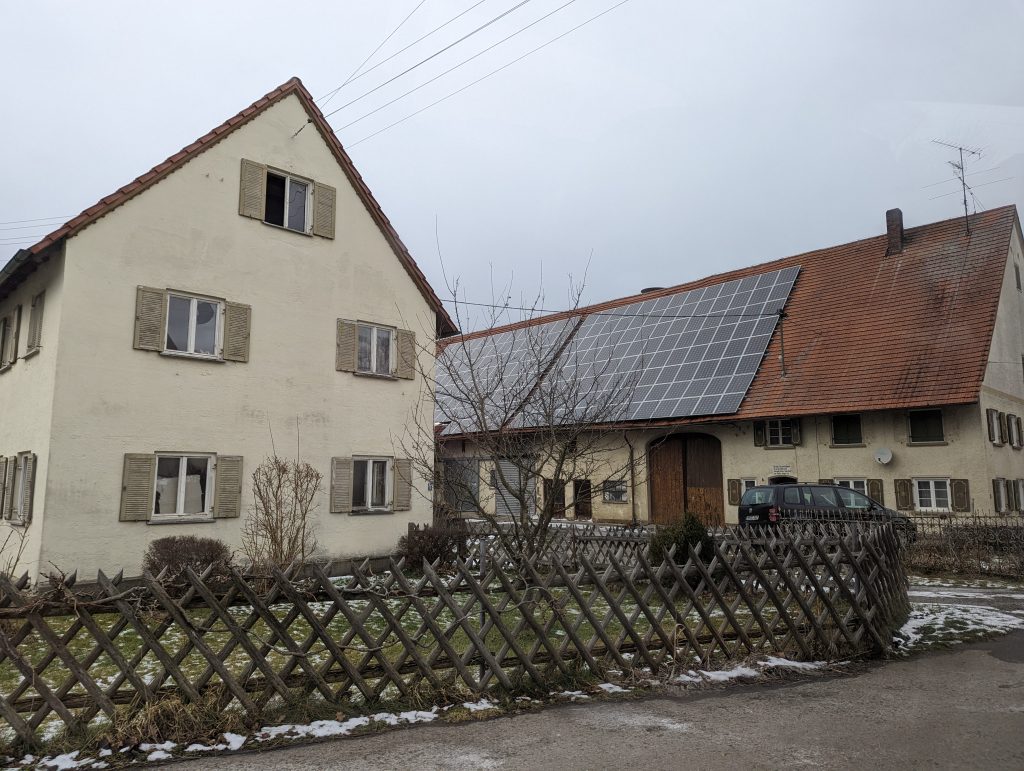
- They therefore visited Anna’s family no more than 2-3 times a year.
- However, whenever they had freshly slaughtered, they brought some of the fresh meat and sausage to Anna’s parents.
- So one day, 12-year-old Matthäus was sent to his grandparents in Volkratshofen with his bike and a parcel of meat.
- He set off on a route that we travelled by car with Heidi and Olli. In the beginning he made good progress and all went well.
- Then it happened at a crossroad: he didn’t know how to continue and sat down at the side of the road in despair.
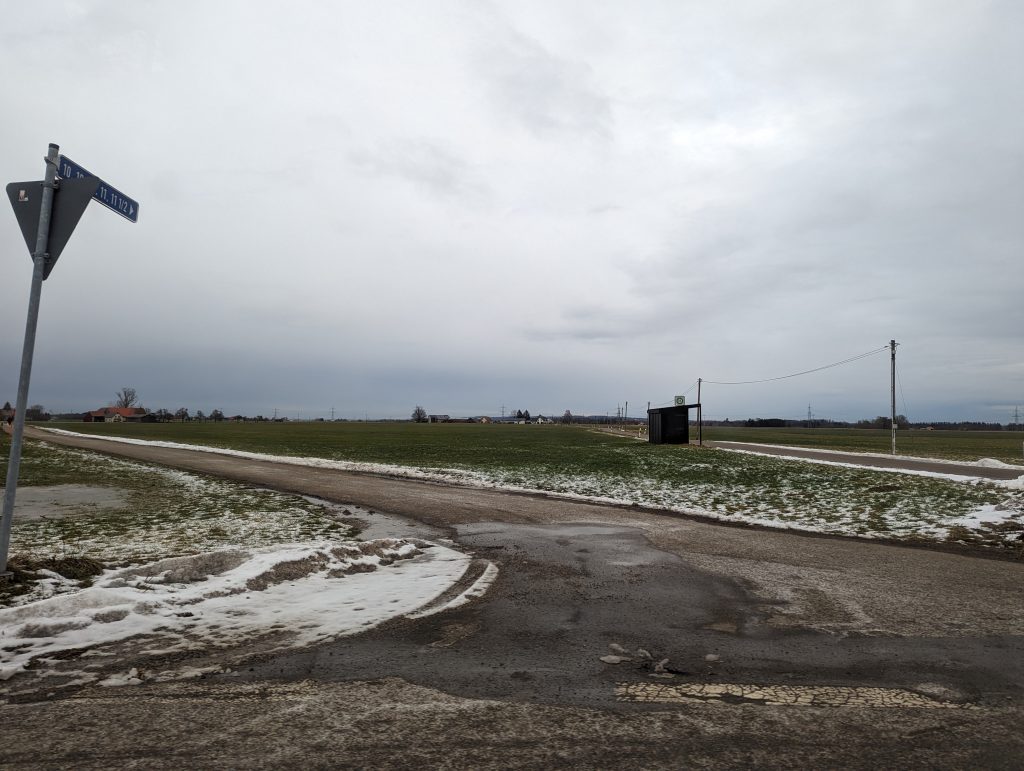
- Luckily, an elderly lady came along the path, who took pity on him and explained that, firstly, he was needed to take the right way to the “Gütler” farm and, secondly, he was almost there anyway.
- Elias and Matthäus were both soldiers in the Second World War and while Elias was in France as a telecommunications technician towards the end of the war, Matthäus was an officer’s driver in the Caucasus.
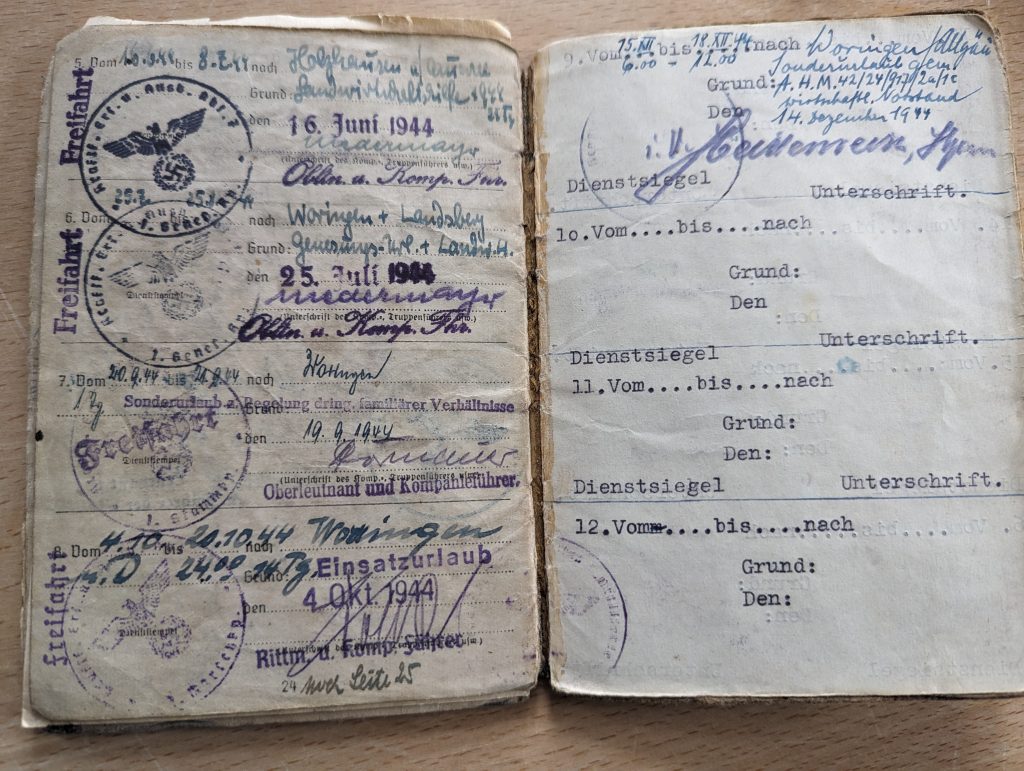
- This is where he got the phrase that he once uttered at dinner to the surprise and amazement of his entire family: “The Mongols always come from behind!”
- Serious injuries landed him in the Wiesenthal military hospital before he was sent to the prison camp in Bad Aibling at the end of the war.
- The same camp where the former Pope Benedict (Ratzinger) was, which Matthäus – once he had found out – was able to tell very well so that it sounded as if they had been good acquaintances there.
- After a not so long time in the prison camp, the order came that all those who had a farm at home were allowed to go home to cultivate it.
- “You can’t imagine who suddenly had a farm at home,” said Matthäus according to Olli.
- He returned home, where he took over the farm, as there was no trace of his older brother Elias. Also it was not easy to find out where Elias was and what had happened to him using the means of communication available at the time.
- In fact, 1.5 years later there was a knock at the large entrance gate. When Matthäus opened the door, a man stood in front of him – “Don’t you recognise me?” his brother Elias asked him and after Matthäus had overcome his initial shock at seeing him again, they fell into each other’s arms.
- As the first-born, Elias took over the farm and Matthäus began working as a driver for dairies and other companies.
- We visit the farm, on which Matthäus grew up. In front of it there is a paved terrace, for which stones from an old street in Memmingen were used.
- And now back to the story of Elisabeth and Matthäus and the inn in the railway station.
- Elisabeth and Matthäus met and fell in love and got married on 2 November 1952.
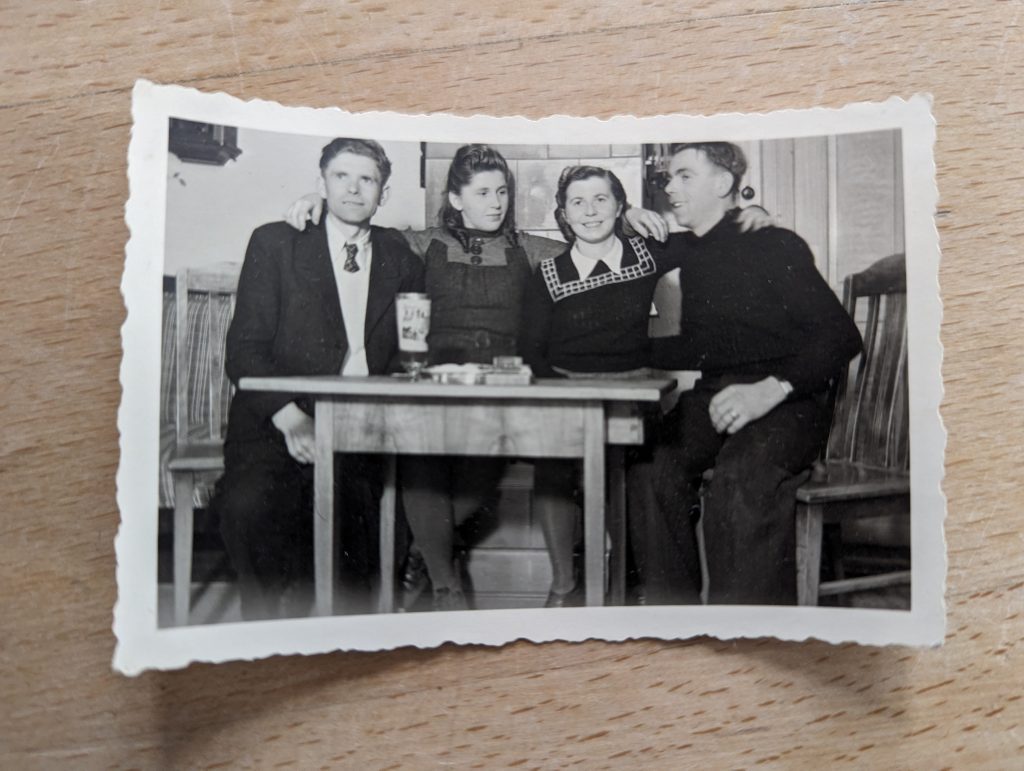
- Together, they acquired the building of a dairy that had been run as a co-operative dairy and was closed down. They moved in there in 1954, the same year that their eldest daughter Marianne was born.
- The railway line to Kempten via Woringen was opened in 1876 and Woringen railway station was built in 1904.
- However, it was sold on after a few years to the Kempten brewery (Allgäuer Brauhaus), which then became the Memmingen brewery.
- Elisabeth’s uncle Karl and her aunt Maria had emigrated to Franconia and specialised in cattle trading.
- In the course of this, they traded at a large cattle market, which regularly took place near Woringen railway station, as cattle was largely transported by rail at that time.
- They then bought the railway station building from the Kempten brewery for the cattle trade.
- Thanks to lorries and road construction, however, the cattle trade increasingly shifted to the road, which is why Elisabeth’s uncle decided to sell the station building. This was when Elisabeth and her husband, Matthäus, bought the buidling.
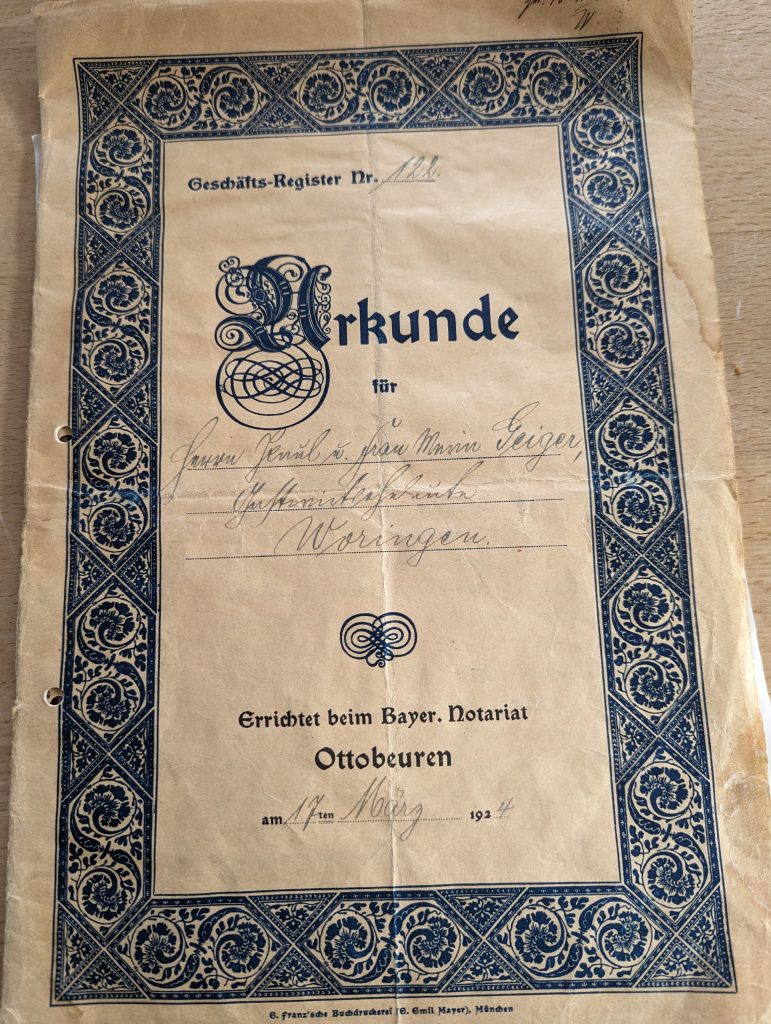
- Olli still has the old sales documents, in which, funnily enough, everything is listed in detail, including the entire inventory, including, for example, “1 newspaper holder”, “1 crucifix”, or “10 coffee plates with cups”
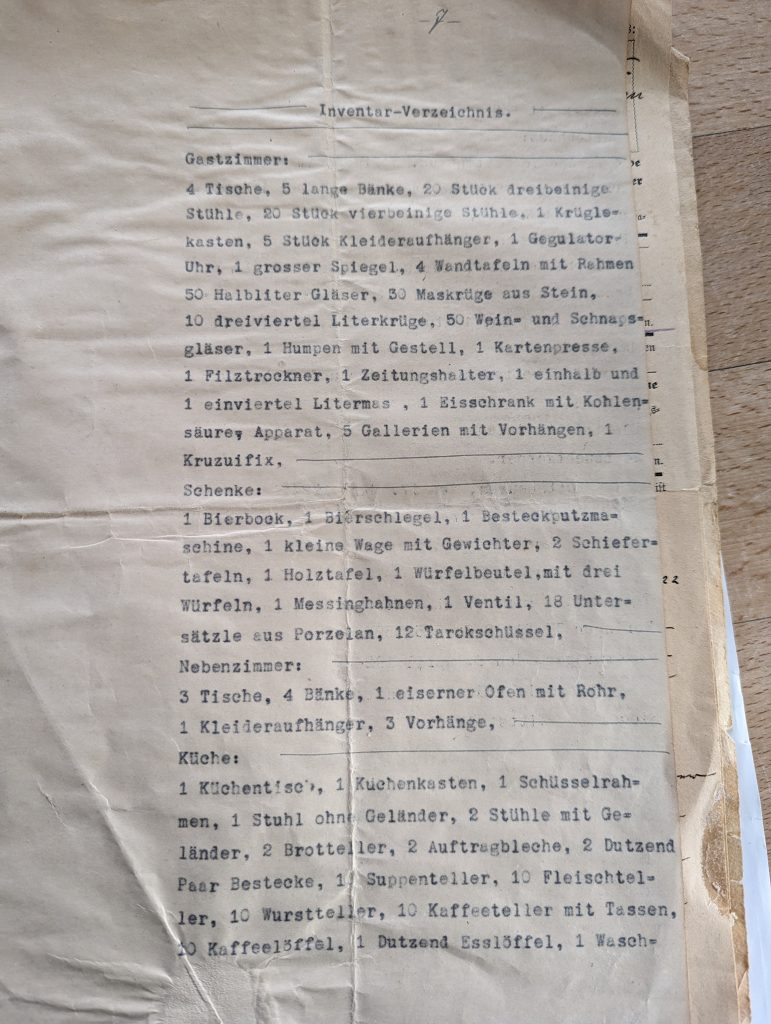
- So Elisabeth and Matthäus bought the station building, which they were able to afford thanks to the sale of the dairy and favourable loans, including from the Memmingen brewery, and started a restaurant in it.
- In 1962, the construction of the A7 motorway began and the workers stayed in a camp nearby. They came to eat in the evening in the restaurant and therefore gave it a first business boost.
- Mr Fuchs, the boss of the construction workers, told Elisabeth and Matthäus that deep-fried chicken was the latest trend – they should add it to their menu.
- He lent a helping hand by travelling to Oberjoch, where he had already tried the chicken, had the landlord there show him how to prepare it, bought a deep fryer and off they went: the chicken were coated with condensed milk, deep-fried and a short time later they were so popular that they gave the business a real boost and brought in lots of guests.
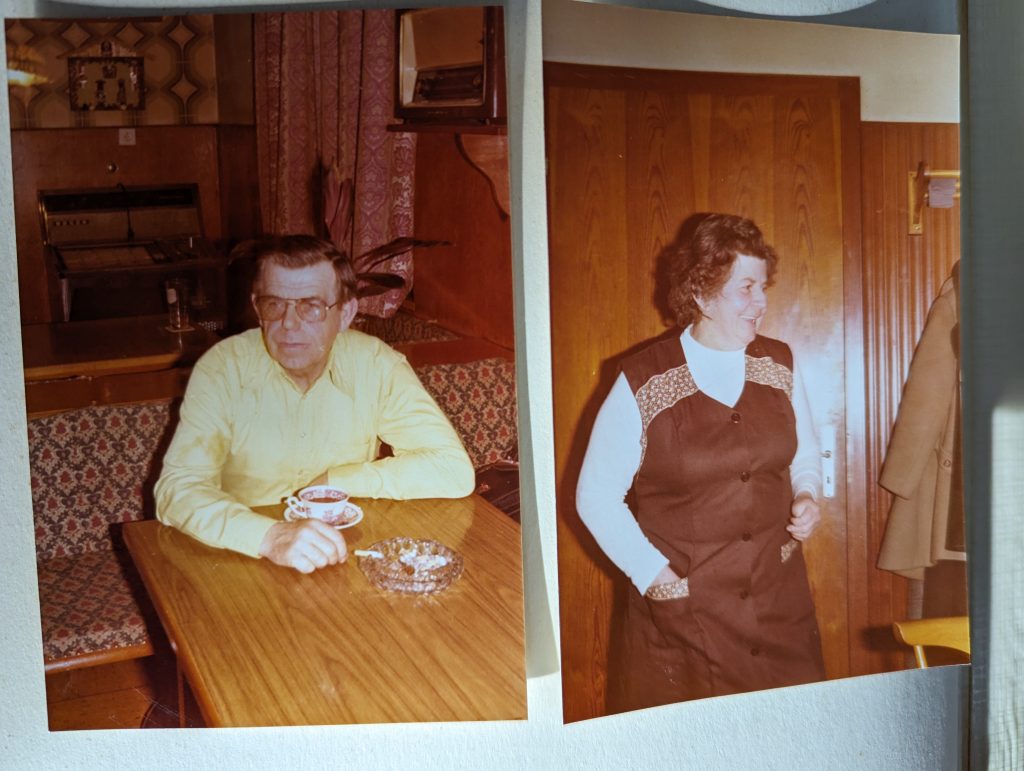
- Olli still sells the chicken to this day, and only yesterday we witnessed an order for 4 halfs of chicken come in.
- At the time when Elisabeth and Matthäus bought the house, several refugee families lived in the spacious house – that was common practice at the time. The flatmates were treated as a kind of family and also helped with childcare, for example.
- That’s why Matthäus was quite surprised when there was such an outcry from the population during the refugee “crisis” a few years ago and such a reluctance to take people into their homes – “Isn’ that totally normal?!,” he wondered.
- We drive round all the farms together and have a lot of fun on the car journey and sightseeing tour. Olli has packed some beer for us, which he and I open together in the back seat with our wedding rings – he looks over in amazement and then says: “Really?” and I smile and answer: “Yes, you’ve inspired me!”
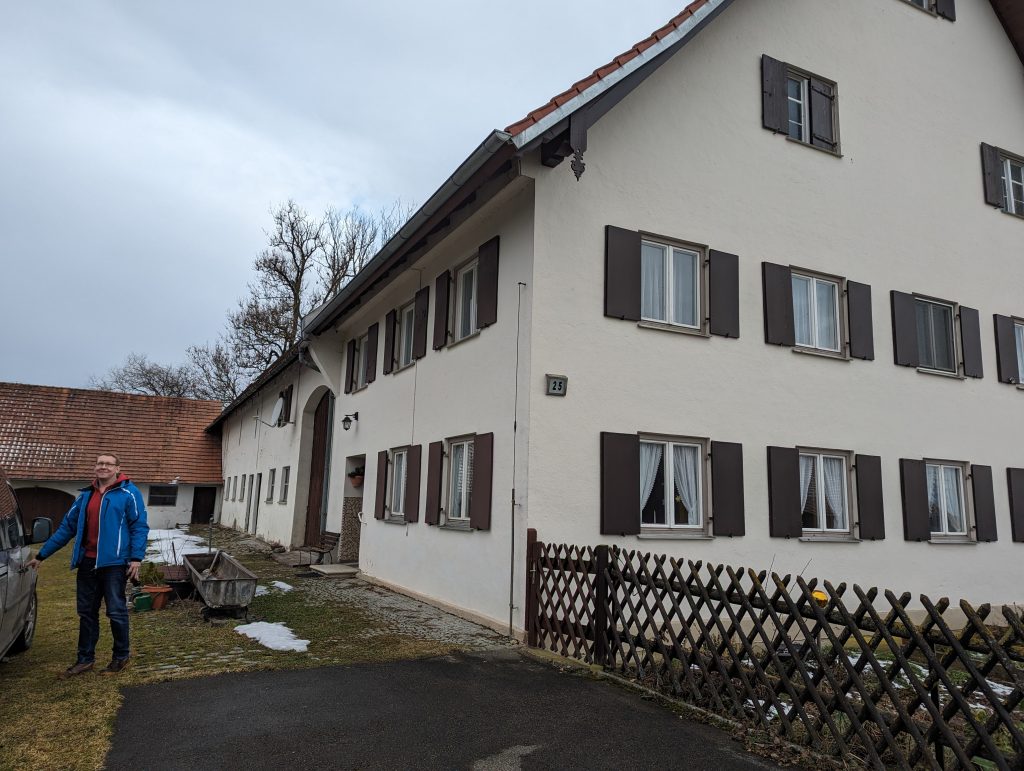
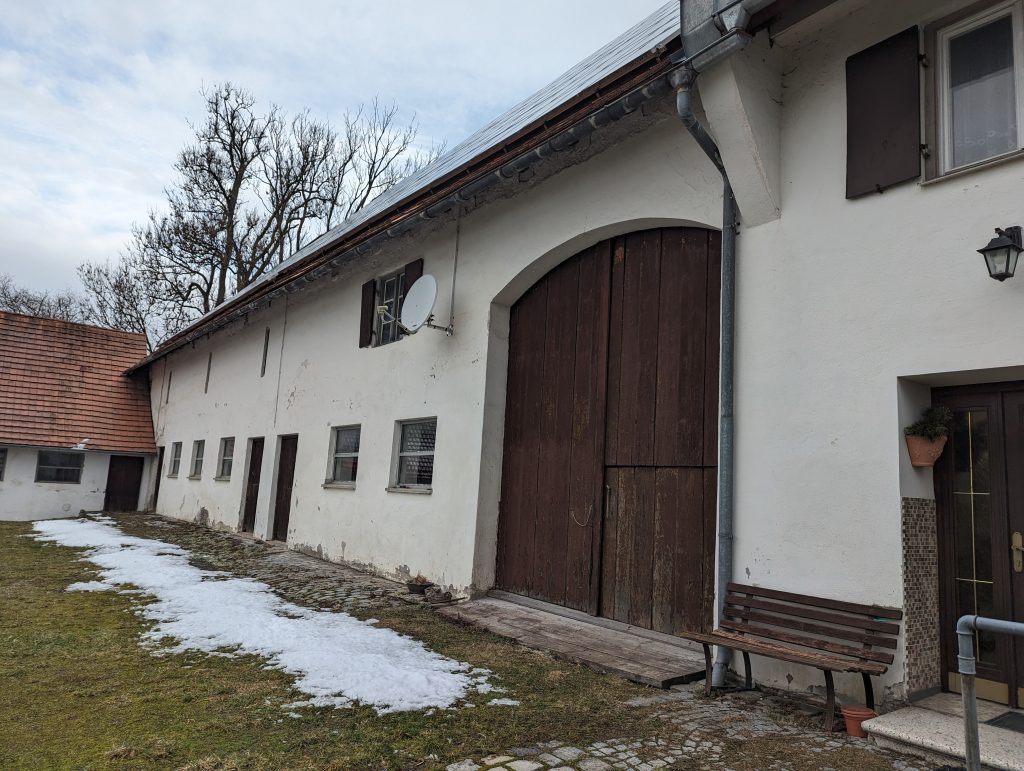
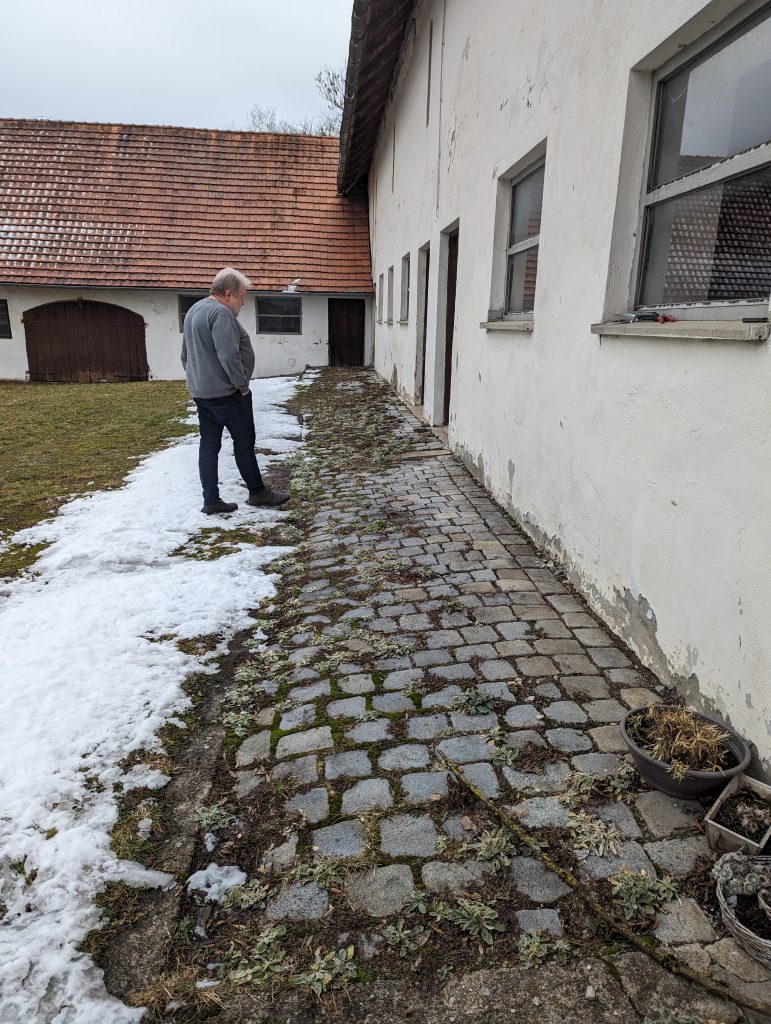
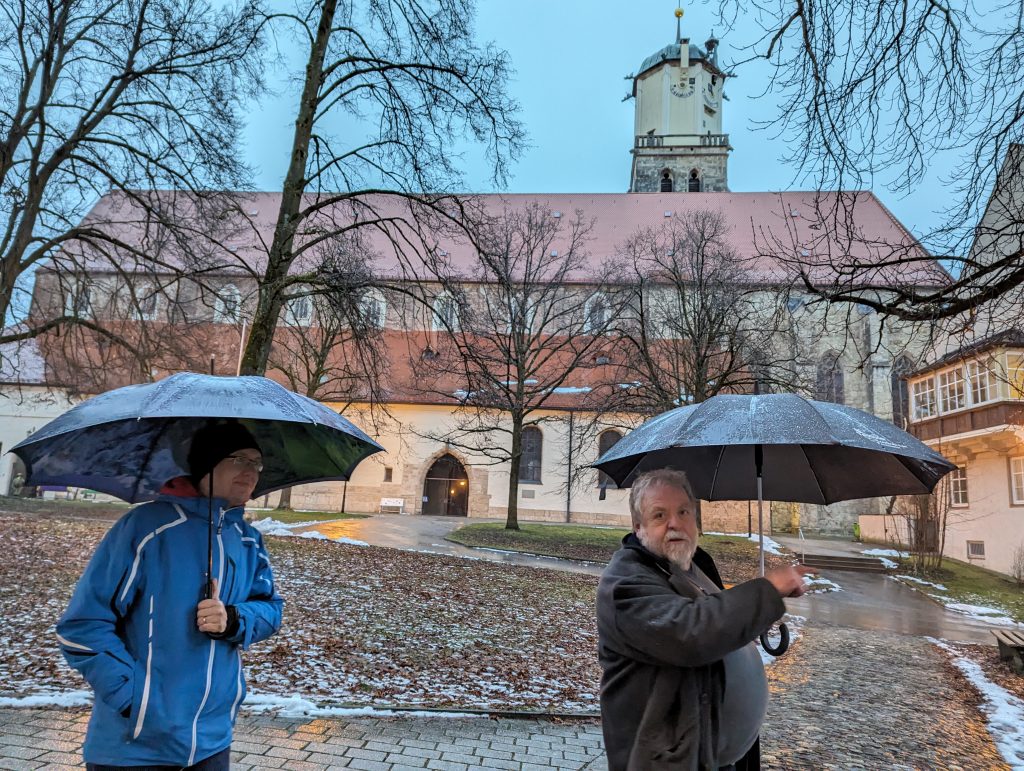
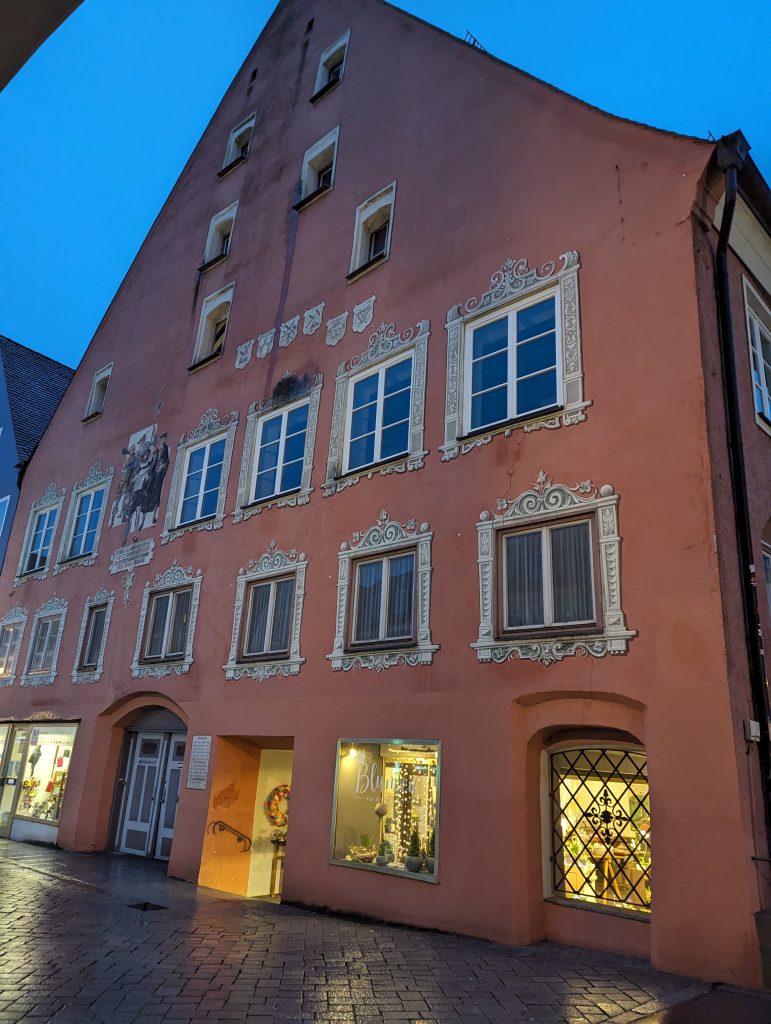
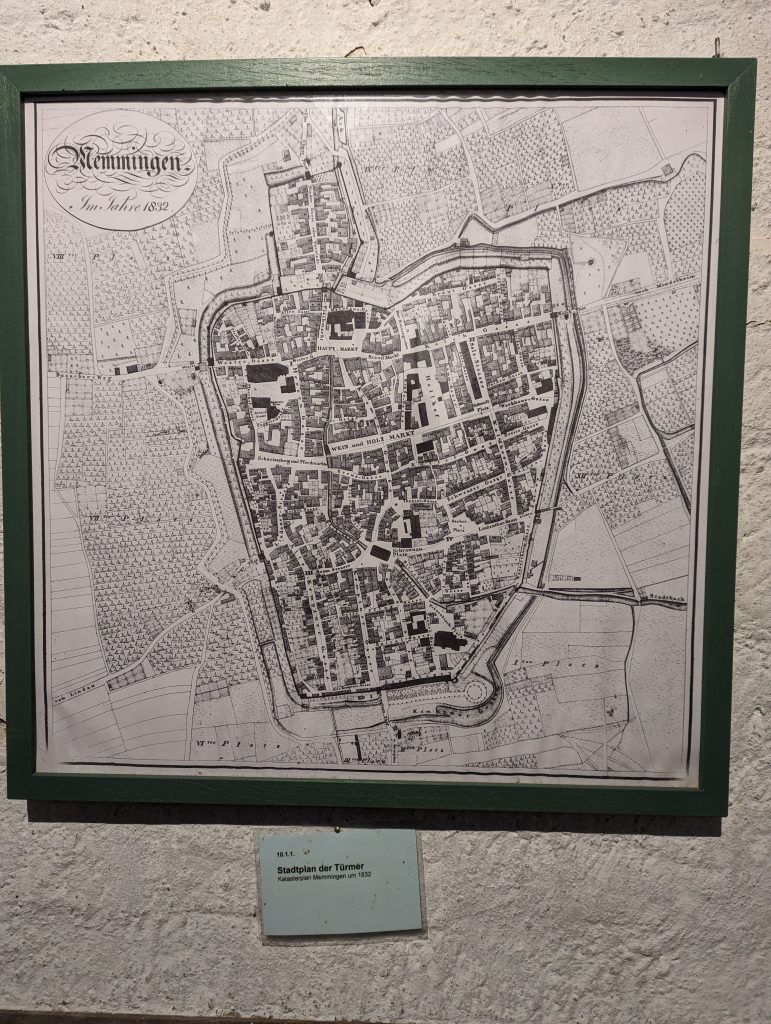
- Once we have visited all the farms, we drive to Memmingen, where Karl Heinz, a friend of Heidi and Olli who is currently being trained as a city guide, gives us a really great tour of the city.
- Memmingen likes to call itself the “city of liberties”, as the 12 main liberty laws were proclaimed here in 1525.
- Olli says right at the beginning of the city tour: “I’m not interrupting you, Karl Heinz.” Less than two minutes later, when Karl Heinz is telling us about the freedom rights, Olli interjects: “Look, that’s Kramerstraße, where the stones are from the courtyard.” So much for that.
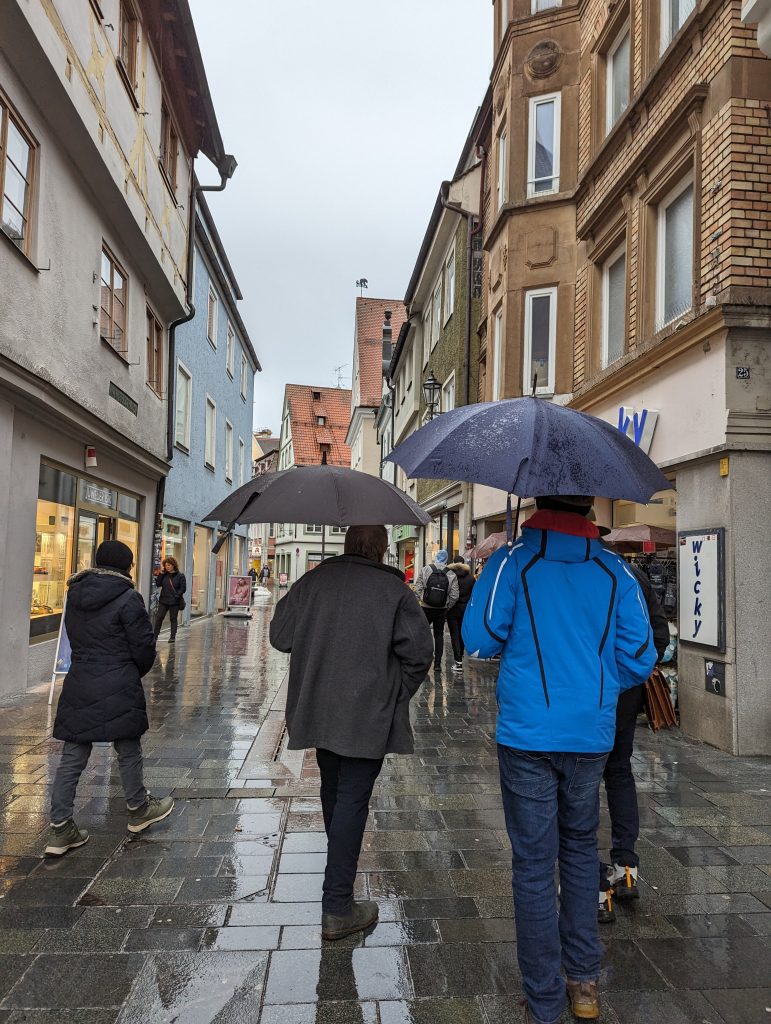
- We see the Latin school, where there was so much discipline and order that even the teachers were not allowed to go to the pub.
- We also admire the town stream, the Memminger Arch, which is of great importance:
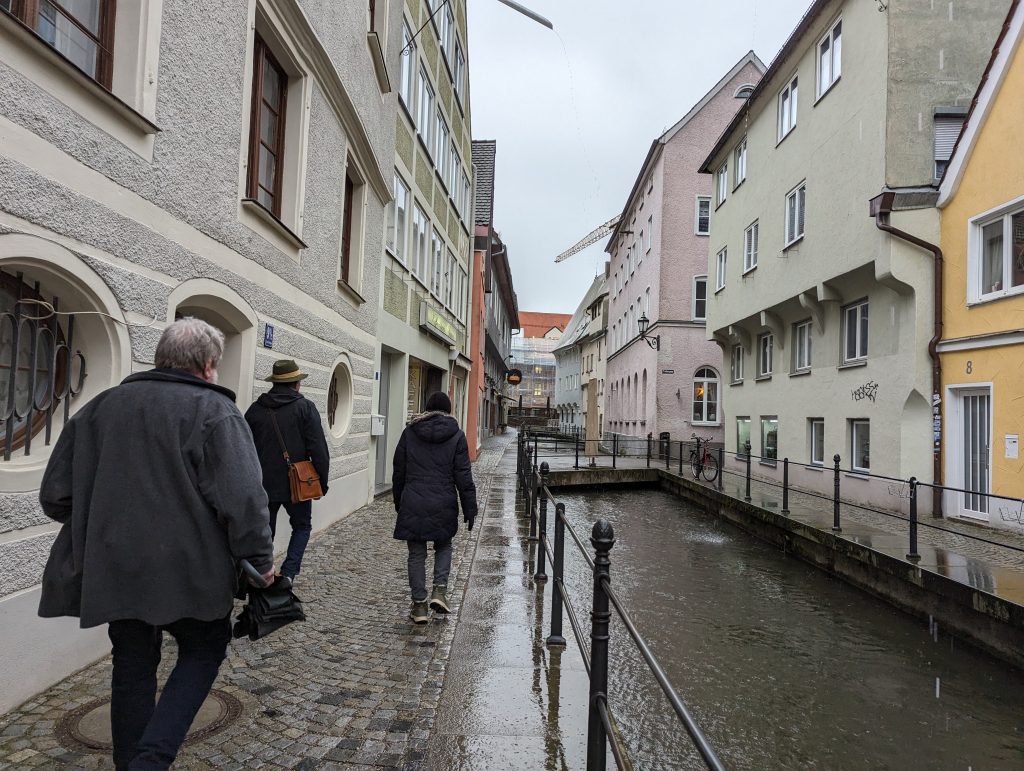
- In the past, it was part of the network of canals where craftsmen such as tanners or weavers settled, who could then simply dump their rubbish.
- Today it is known for the Fishermen’s Day, which has been a fixed holiday in Memmingen since 1464. Once a year, the stream was drained and cleaned by the craft guilds. In 1900, the Fishermen’s Day Association was founded, which organises a large fish event every year. The rules are simple: trout are fished and whoever catches the biggest wins.
- Currently, there is a great deal of discussion, which has also been reported in the media, about who is allowed to be a member, because in good patriarchal tradition, the men naturally only want to accept other men, but female members are now also permitted. What is still handled very strictly, however, is that it is a club exclusively for Memmingen residents – you have to have lived in Memmingen for at least ten years to become a member.
- The fish are caught with “bears” (landing nets), at 8 o’clock sharp on fishing day a shot is fired and then the fish day club members “juggen” (not jump, but actually jump) into the stream and off they go fishing.
- On the evening before, the whole of Memmingen is transformed into a huge party zone, with people celebrating like never before. Heidi says: “I always have to work on that evening, I’ve lived here for 26 years and I’ve never been!”
- Karl Heinz smiles and tells us that there are also active animal rights activists among the club members (they never catch anything).
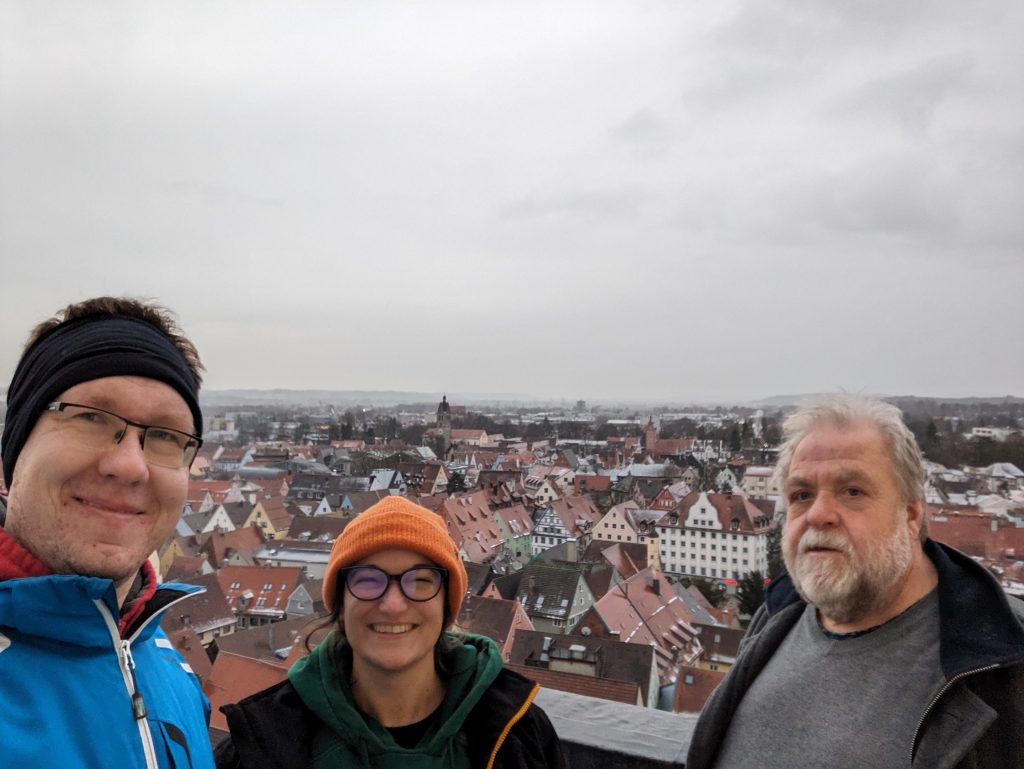
- The highlight of the tour is definitely the church tower, for which Karl Heinz has organised a key so that we can go up.
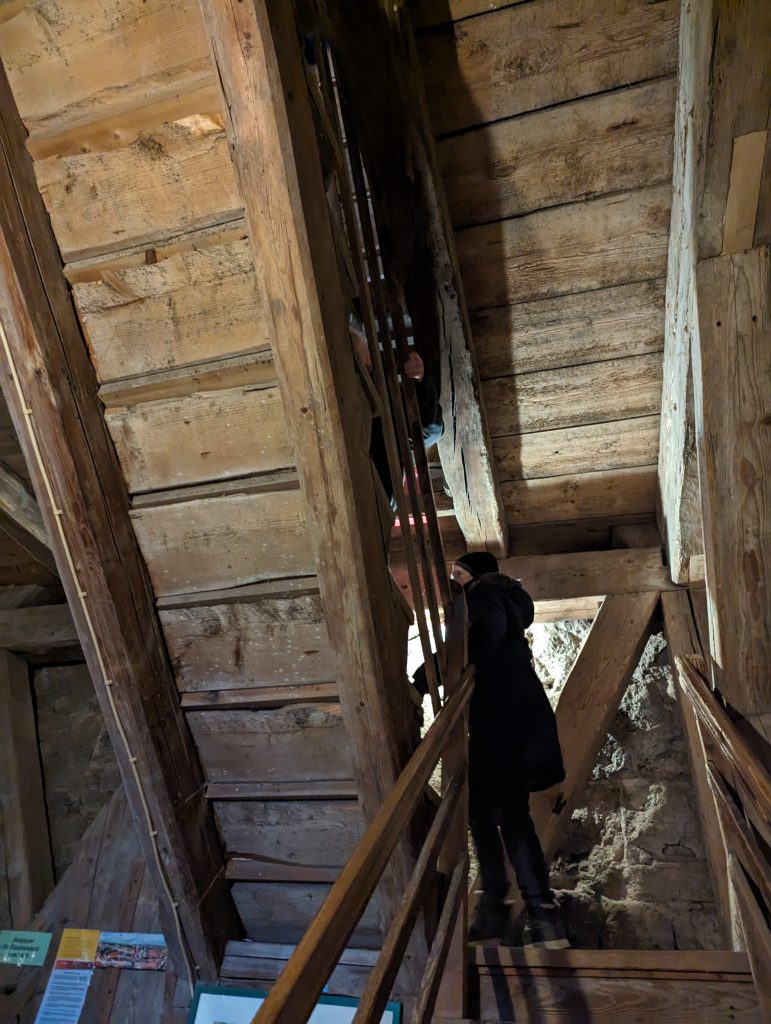
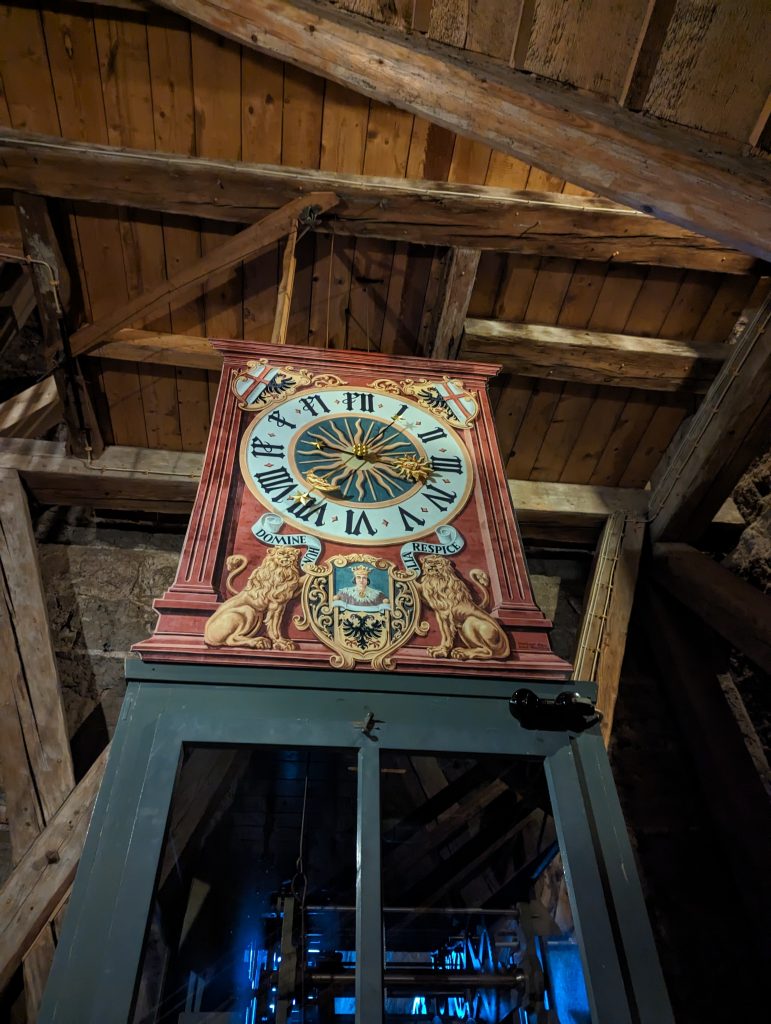
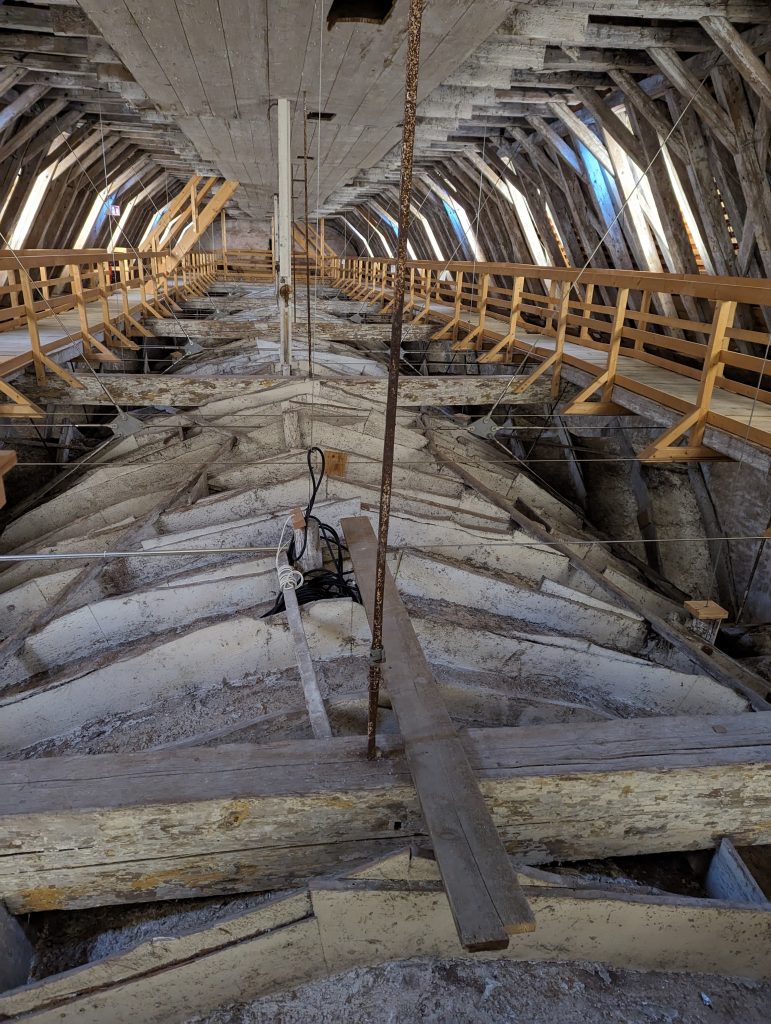
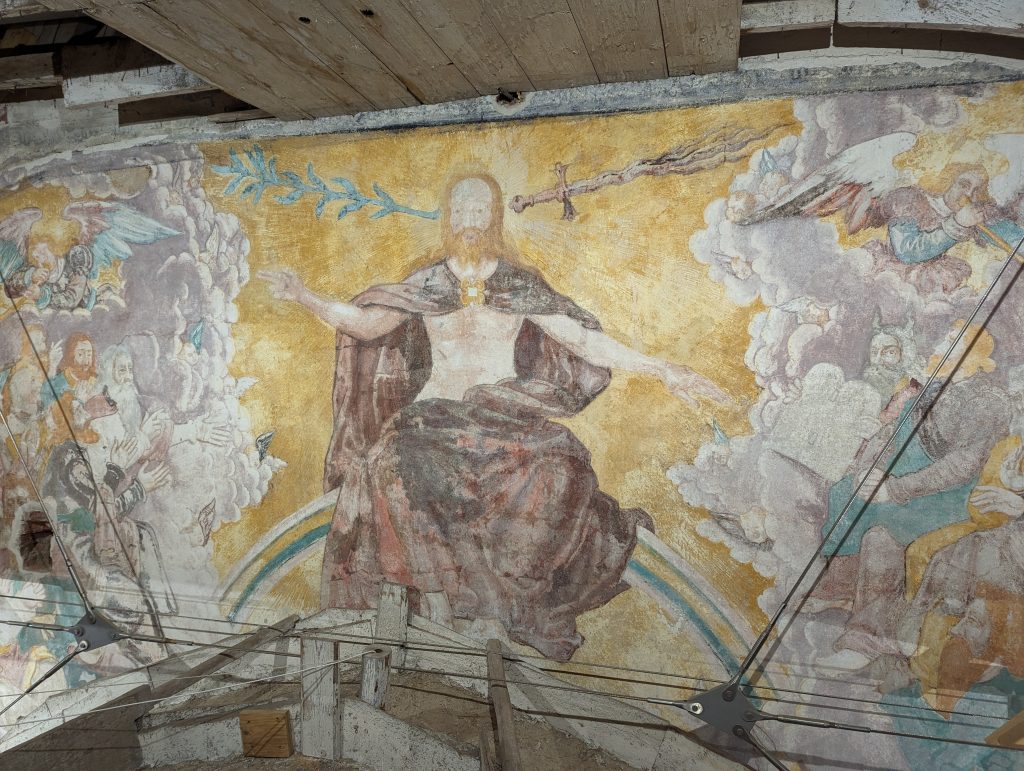
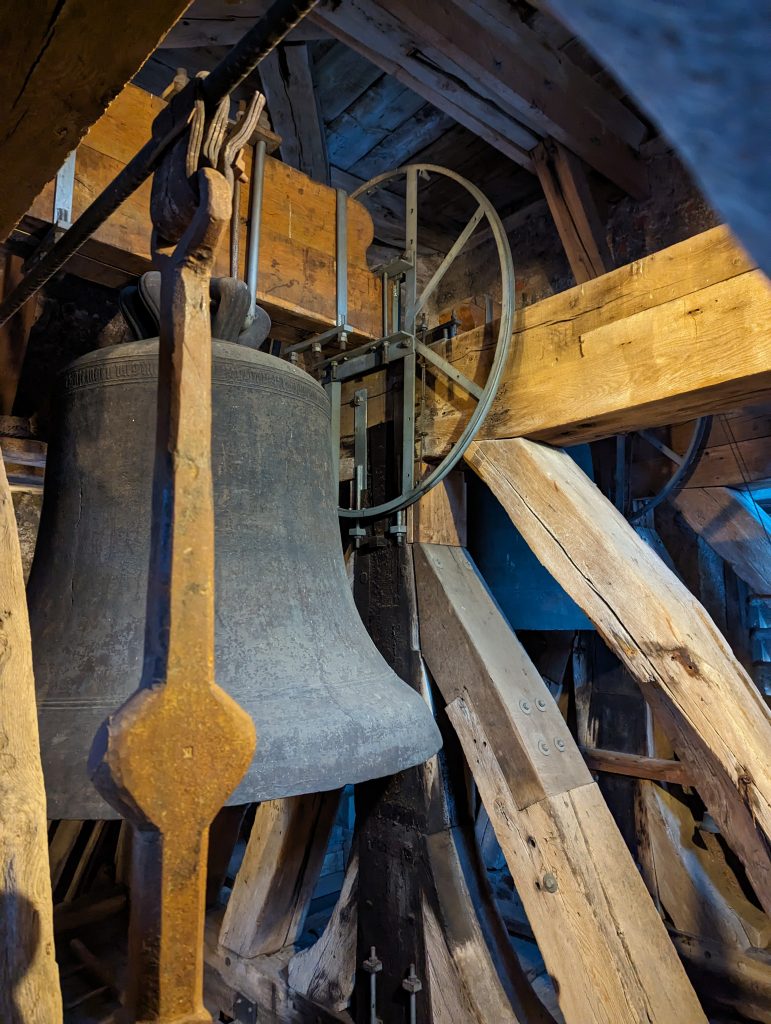
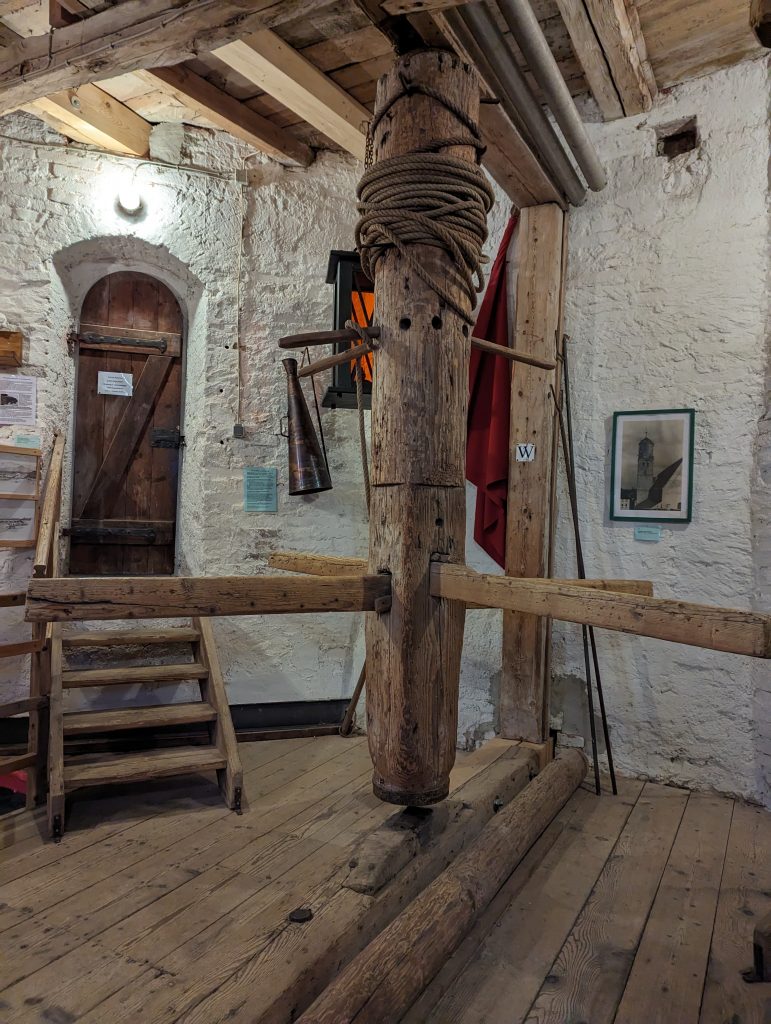
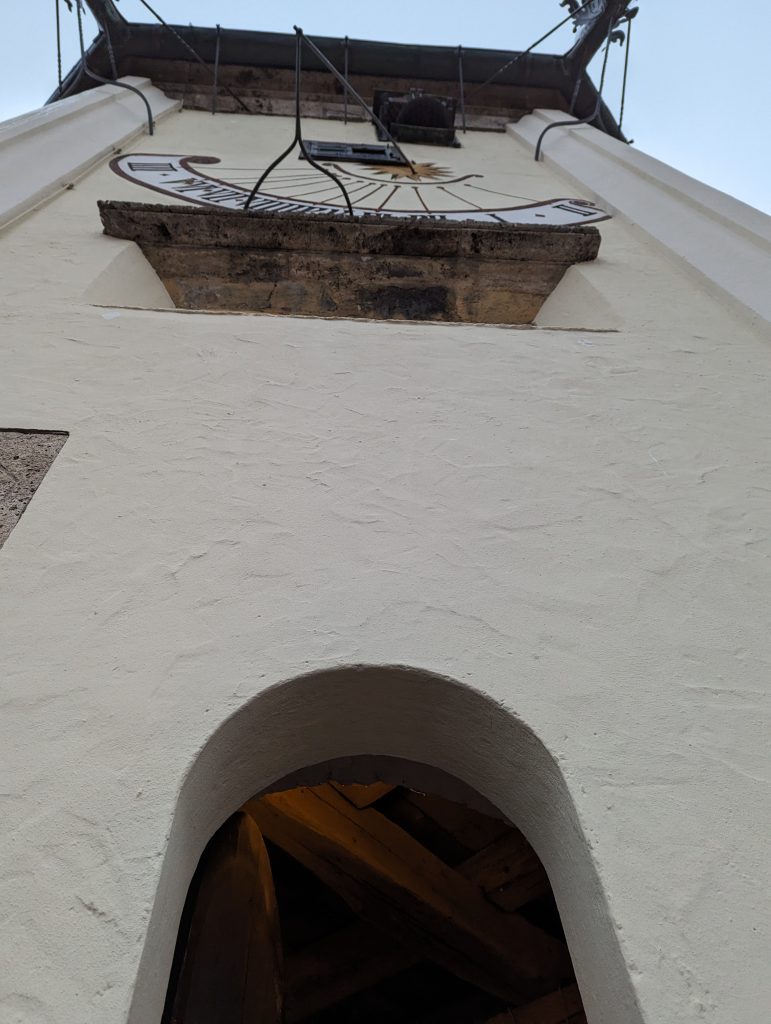
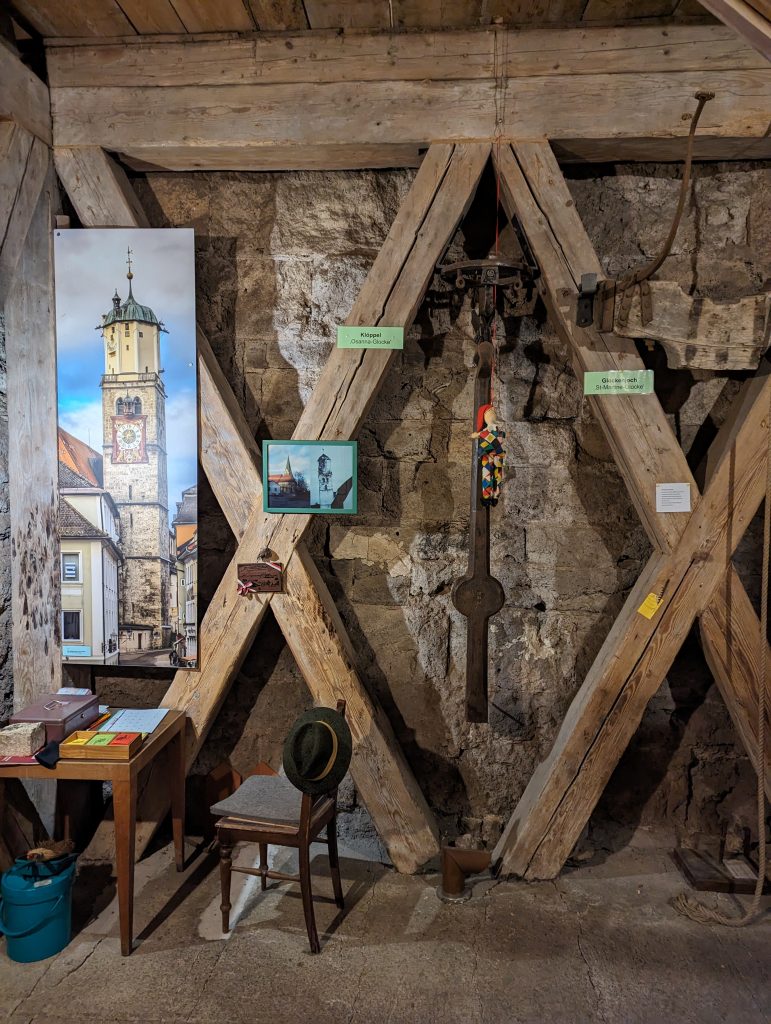
- The tower watchmen used to live there, sounding the alarm in case of danger, and guided tours are organised here today.
- There is a Kasperl attached to one of the clock’s gears so that it moves every quarter of an hour and tells the bell ringer when to ring the bell – a sophisticated system.
- To finish the tour off, Karl Heinz tells us the story of the Memminger Mau (this version is from Uli and Walter Braun: Eine Stunde Zeit für Memmingen – vom Umland ganz zu schweigen. VI. edition. Verlag der Memminger Zeitung, Memmingen 1982, p. 51 f.):
Once upon a time, on a clear night with a full moon, a couple of people from Memmingen were walking home from the Goldener Löwen. Suddenly they saw how the moon, locally called Mau, was reflected in one of the large tubs that stood under the eaves of the houses for fire-fighting purposes. One of them suddenly had the brilliant idea of fishing out the moon so that the town could use its light at any time. The town fisherman was quickly fetched, who arrived with nets of all kinds and began his work. The startled citizens looked down from the windows all around to see what was happening down there, and they even came running from the side streets, but to this day they have not succeeded in retrieving the Mau.
- Fun fact: After NASA’s first successful moon landing, the mayor of Memmingen sent them a letter congratulating them and at the same time expressing his indignation that the people of Memmingen should have been asked first whether they were allowed to enter THEIR Mau just like that. Although there was no reply from NASA, Memmingen was contacted by German foreign politicians who were furious – Memmingen could not simply write to NASA like that.
- Karl Heinz ends the city tour with this story and we say goodbye before we move on with Heidi and Olli to a fancy guesthouse/hotel for dinner, where we savour a delicious dinner with wine and everything.